Early Detection for Better Oral Health & Protection
At Green Park Dental Hospital, we provide comprehensive Oral Cancer Screening to detect early signs of oral cancer, precancerous lesions, and abnormal tissue changes inside the mouth. Early diagnosis plays a critical role in improving treatment success, reducing complications, and protecting overall health.
Oral cancer can affect the lips, tongue, cheeks, gums, floor of the mouth, palate, throat, and surrounding oral tissues. Many early-stage oral cancers develop without pain or obvious symptoms, making regular screening extremely important , especially for individuals with tobacco, smoking, or alcohol habits.
Our oral screening and preventive dental care procedures are guided by Dr. Syed Arshad Javeed, known for advanced dental care, restorative dentistry, and preventive oral health management.
What Is Oral Cancer Screening?
Oral Cancer Screening is a preventive examination performed to identify abnormal tissue changes, suspicious lesions, or early signs of cancer within the mouth and surrounding oral structures.
The screening helps detect:
- Oral cancer
- Precancerous patches
- Abnormal tissue growth
- Suspicious ulcers or lesions
- Changes in oral soft tissues
Early detection significantly improves the chances of successful treatment and recovery.
What Is Oral Cancer?
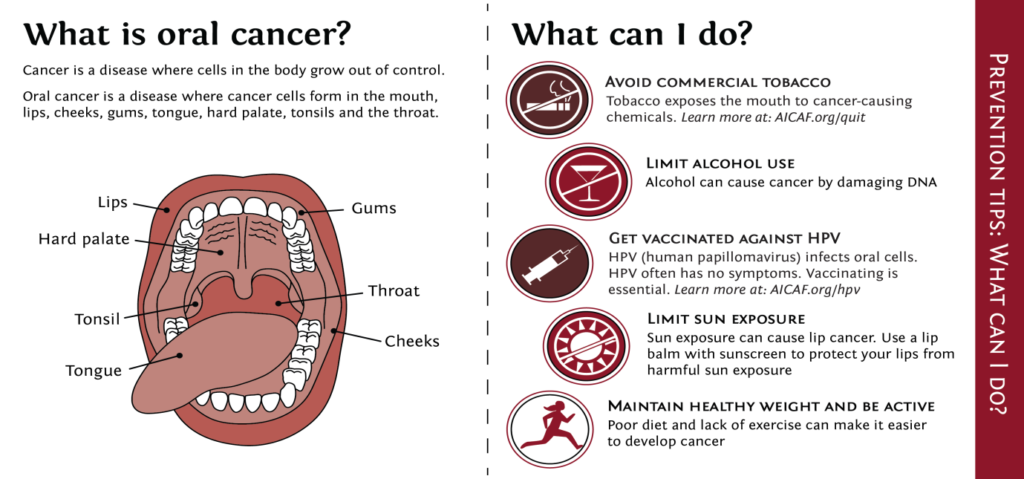
Oral cancer refers to cancer that develops in the tissues of the mouth or throat. It commonly affects:
- Tongue
- Lips
- Gums
- Inner cheeks
- Floor of the mouth
- Roof of the mouth
- Throat and oral tissues
Oral cancer often begins as small painless lesions or patches that may go unnoticed initially.
Risk Factors for Oral Cancer
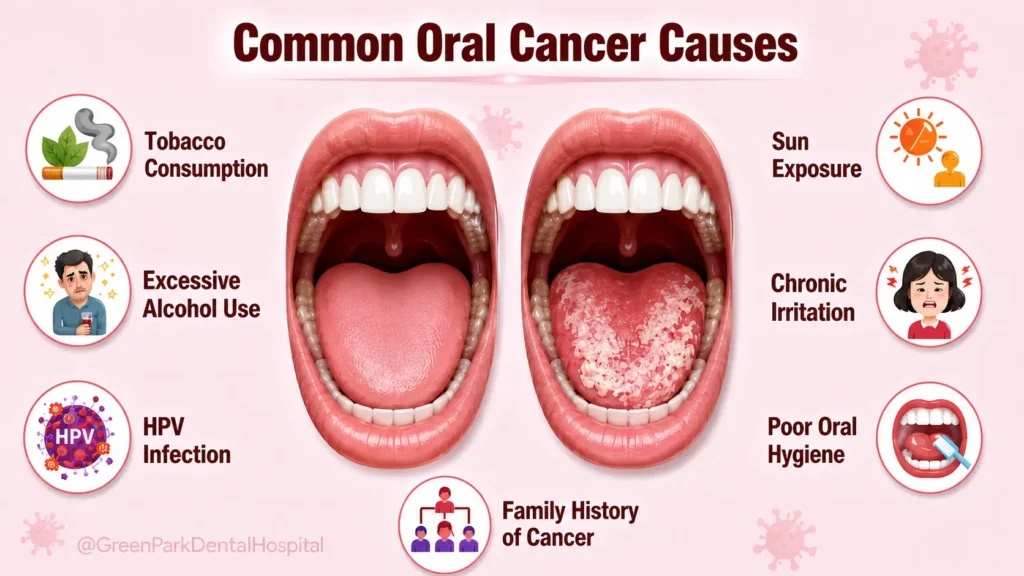
Certain habits and conditions increase the risk of developing oral cancer.
Tobacco Use
Smoking cigarettes, cigars, bidis, or chewing tobacco significantly increases oral cancer risk.
Alcohol Consumption
Heavy alcohol use increases oral cancer risk, especially when combined with tobacco.
Gutka & Pan Masala Use
Chewing tobacco products and areca nut preparations are strongly associated with oral precancerous conditions.
HPV Infection
Certain strains of Human Papillomavirus (HPV), high-risk HPV, especially HPV-16, is strongly linked with oropharyngeal cancers and may be discussed during risk assessment
Poor Oral Hygiene
Poor oral hygiene and chronic irritation may contribute to oral inflammation; tobacco, areca nut, and alcohol remain major risk factors
Sharp Cusps & Chronic Oral Irritation
Sharp tooth edges, fractured teeth, rough dental restorations, ill-fitting dentures, or prominent cusps can repeatedly irritate the cheeks, tongue, lips, and other oral tissues. This chronic mechanical trauma may lead to persistent ulcers, soreness, inflammation, and tissue changes that require professional evaluation. While chronic irritation itself is not considered a major independent cause of oral cancer, any ulcer, lesion, or area of irritation that does not heal within two weeks should be examined by a dental professional. Early identification and correction of traumatic factors help maintain healthy oral tissues and improve patient comfort.
Why Removal of Sharp Cusps Is Necessary
Removal or smoothing of sharp cusps helps prevent repeated injury to the tongue, cheeks, and oral mucosa, promotes healing of traumatic ulcers, improves patient comfort, and allows more accurate assessment of suspicious lesions during follow-up examinations.
Sun Exposure
Excessive sun exposure may increase the risk of lip cancer.
Previous Oral Lesions
Patients with previous oral precancerous lesions require regular monitoring.
Symptoms & Warning Signs of Oral Cancer
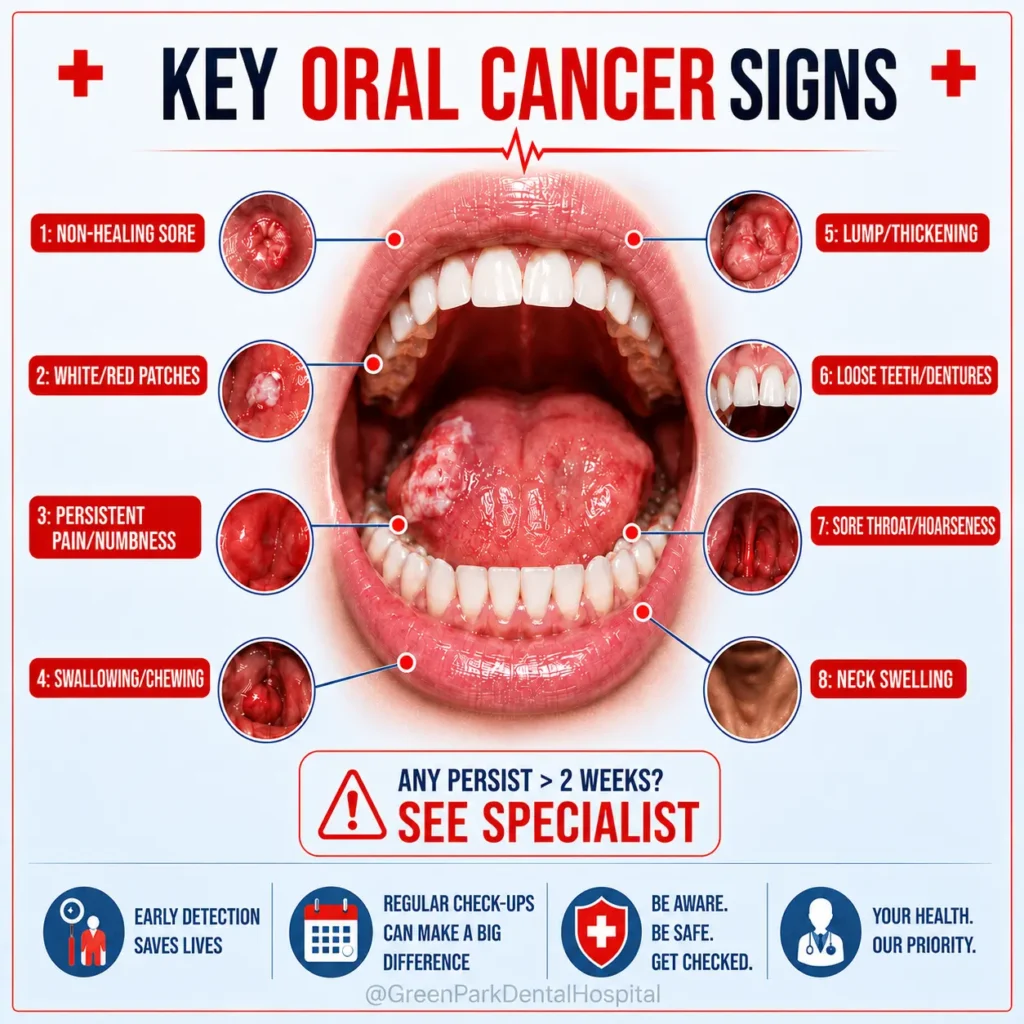
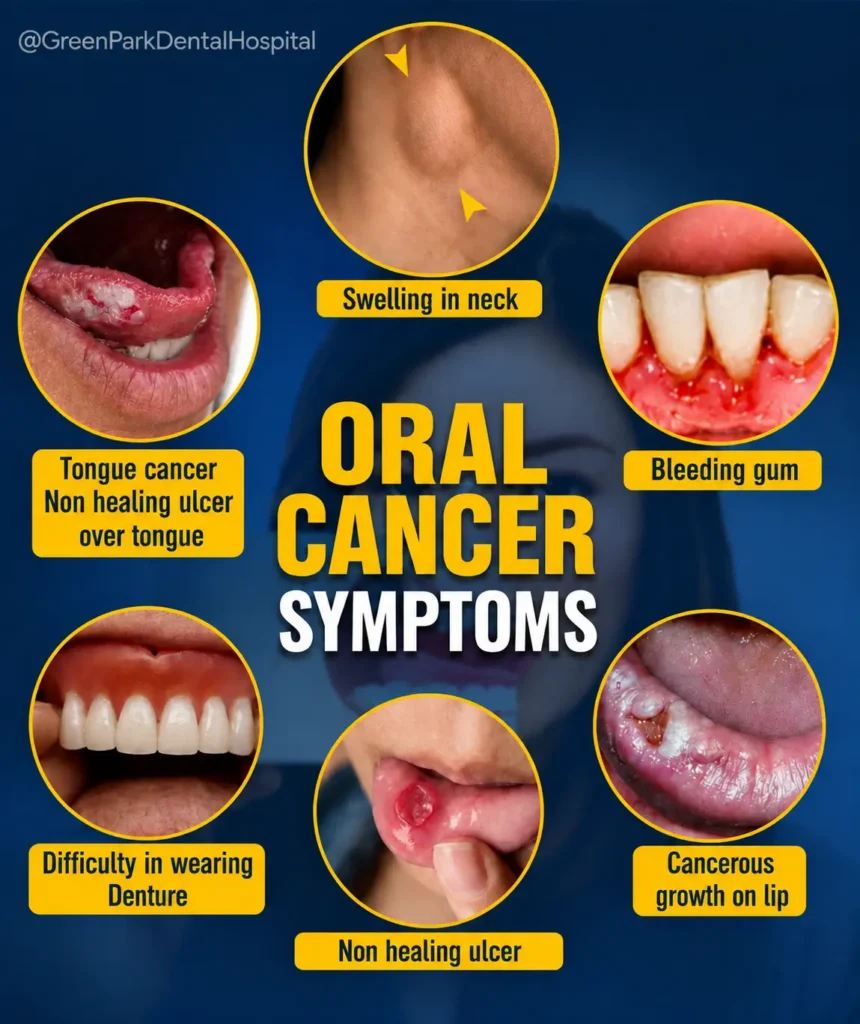
You should seek evaluation if you notice:
- Non-healing mouth ulcers
- Red or white patches in the mouth
- Persistent mouth pain
- Difficulty swallowing
- Burning sensation in the mouth
- Thickened oral tissues
- Lumps or swelling
- Persistent sore throat
- Loose teeth without obvious cause
- Difficulty speaking or chewing
- Numbness in oral tissues
- Unexplained bleeding
Any lesion persisting for more than two weeks should be evaluated. Any ulcer, patch, lump, bleeding area, or voice/swallowing change lasting more than 2 weeks should be examined professionally
Importance of Early Oral Cancer Detection
Improves Treatment Success
Early-stage oral cancer is often more treatable, but cure depends on cancer type, stage, location, and overall health
Reduces Complications
Early intervention minimizes tissue damage and complex surgeries.
Increases Survival Rates
Timely diagnosis significantly improves long-term outcomes.
Detects Precancerous Conditions
Screening can identify suspicious changes before cancer develops.
Protects Overall Health
Comprehensive oral examinations help identify related oral diseases and risk factors.
When is an oral cancer screening recommended?
Healthcare professionals use oral cancer screenings to find cancer before symptoms develop. When providers detect oral cancer in its early stages, treatment may be more successful.
Can a dentist see if you have oral cancer?
While a variety of healthcare providers can perform oral cancer screenings, dentists commonly offer them as part of their routine exams. It’s important to note, though, that oral cancer screenings don’t diagnose cancer. Dentists use screenings to look for signs of cancer. If your dentist finds anything suspicious, they’ll advice for further testing, diagnosis and treatment.
Oral Cancer Screening Procedure
At Green Park Dental Hospital, oral cancer screening is performed carefully using modern clinical evaluation methods.
1. Medical & Habit History
The dentist reviews medical history, tobacco use, smoking habits, alcohol use, and symptoms.
2. Visual Oral Examination
The lips, cheeks, gums, tongue, palate, throat, and oral tissues are thoroughly examined.
3. Soft Tissue Evaluation
The dentist checks for abnormal patches, ulcers, discoloration, swelling, or tissue changes.
4. Palpation Examination
The neck, jaw, lymph nodes, and oral tissues are gently examined for lumps or abnormalities.
5. Further Diagnostic Evaluation (If Required)
Suspicious lesions may require:
- Biopsy
- Imaging
- Specialist referral
- Additional oral pathology assessment
Who Should Get Oral Cancer Screening?
Oral cancer screening is especially important for:
- Tobacco users
- Smokers
- Alcohol consumers
- Gutka or pan masala users
- Adults above 40 years
- Patients with chronic mouth ulcers
- Individuals with family history of cancer
- Patients with precancerous oral lesions
However, even individuals without obvious risk factors should undergo regular dental checkups and oral examinations.
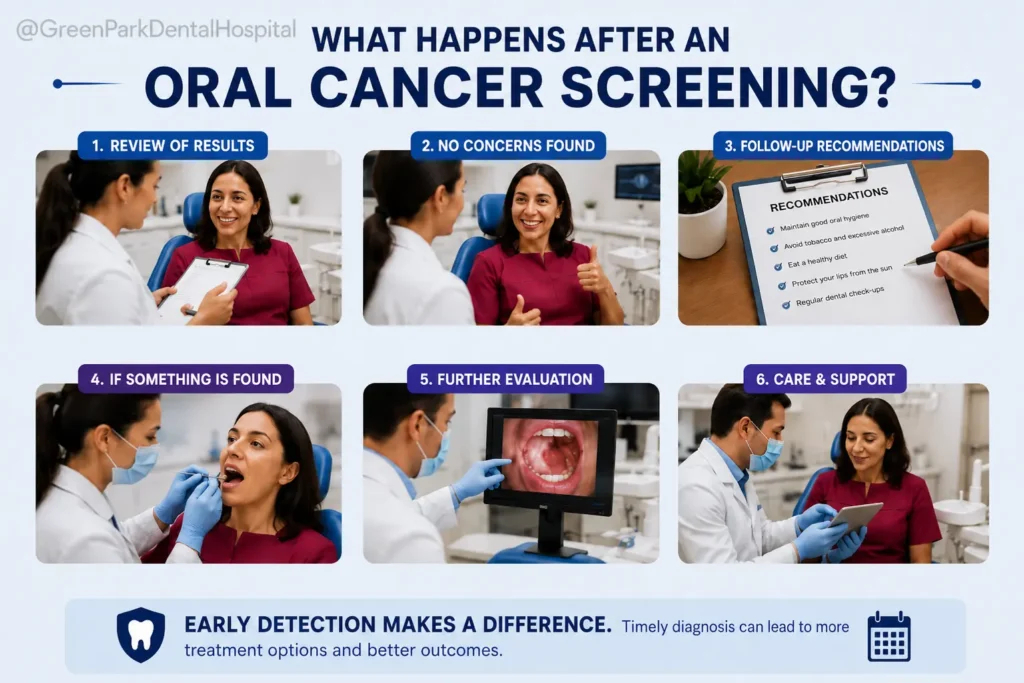
What Happens After an Oral Cancer Screening?
An oral cancer screening helps identify suspicious lesions or abnormal tissue changes, but additional testing may be required to confirm a diagnosis. If any concerning findings are detected, your dentist may recommend monitoring the area, performing further diagnostic tests, or referring you to a specialist.
Depending on the clinical findings, additional investigations may include a biopsy or other diagnostic procedures to determine the nature of the lesion. Early evaluation and timely follow-up are essential for accurate diagnosis and appropriate treatment planning.
Biopsy: A biopsy is the most reliable method for diagnosing oral cancer. During this procedure, a small sample of tissue is removed from the suspicious area and sent to a laboratory for microscopic examination. The results help determine whether the tissue is benign, precancerous, or cancerous and guide further treatment planning.
Early evaluation and timely follow-up are essential for accurate diagnosis and appropriate care.
Recent Advancements in Oral Cancer Screening
Modern oral cancer screening focuses on a systematic visual and tactile examination of the mouth, tongue, floor of mouth, palate, cheeks, lips, jaw, neck, and lymph nodes. Adjunctive tools such as fluorescence devices, brush cytology, imaging, or special staining may be used in selected cases, but they do not replace clinical examination or biopsy when cancer is suspected. The ADA’s recent guidance continues to prioritize careful clinical examination and biopsy/referral for suspicious lesions.
Preventing Oral Cancer
Avoid Tobacco Products
Stopping smoking and tobacco chewing significantly reduces risk.
Limit Alcohol Consumption
Reducing alcohol intake lowers oral cancer risk.
Maintain Good Oral Hygiene
Healthy oral tissues reduce chronic irritation and infection.
Eat a Healthy Diet
A balanced diet rich in fruits and vegetables supports oral health.
Attend Regular Dental Checkups
Routine oral examinations help detect abnormalities early.
Protect Lips from Excessive Sun Exposure
Lip protection may reduce risk of lip cancer.
Why Choose Green Park Dental Hospital for Oral Cancer Screening?
Patients trust Green Park Dental Hospital for preventive dental care because we focus on early diagnosis, patient awareness, and comprehensive oral health evaluation.
Why choose us:
- Comprehensive oral examinations
- Early lesion detection
- Advanced preventive dental care
- Personalized patient counseling
- Experienced dental professionals
- Modern diagnostic approach
- Comfortable and hygienic environment
- Patient-focused oral healthcare
Our preventive oral healthcare procedures are guided by Dr. Syed Arshad Javeed, known for advanced restorative and preventive dentistry.
Frequently Asked Questions (FAQ)
Book Your Oral Cancer Screening Consultation in Hyderabad
Protect your oral and overall health with advanced Oral Cancer Screening at Green Park Dental Hospital. Early detection can save lives and help identify suspicious oral changes before they become serious.
Schedule your consultation today with Dr. Syed Arshad Javeed and experience comprehensive preventive oral healthcare with advanced dental screening.














Oxmox advised her not to do so, because there were thousands of bad Commas, wild Question Marks and devious.
Kolis Muller NY Citizen