Multidisciplinary Cleft Lip & Palate Care for Feeding, Speech, Facial Growth & Smile Rehabilitation
At Green Park Dental Hospital, we provide cleft-focused evaluation, dental rehabilitation, orthodontic planning, and coordinated referral-based care for children and adults with cleft lip and/or cleft palate. Treatment plans are tailored to the patient’s age, growth stage, oral health needs, and cleft severity, with the goal of supporting feeding, speech development, oral function, facial growth, dental alignment, and overall quality of life.
Children born with cleft conditions often require a combination of surgical, orthodontic, speech, and dental treatments as they grow. Early diagnosis and multidisciplinary care are essential for proper facial development and long-term oral health.
Our advanced reconstructive and restorative dental care procedures are guided by Dr. Syed Arshad Javeed, with expertise in restorative dentistry, oral rehabilitation, and smile reconstruction.
What Is a Cleft Lip?
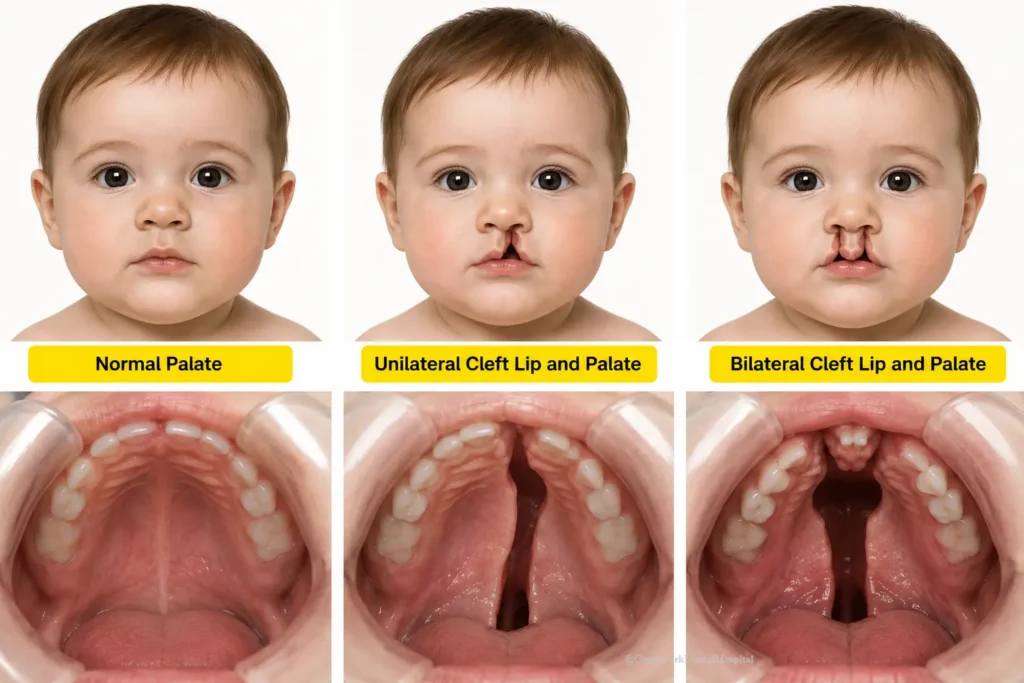
A cleft lip is a separation or opening in the upper lip that develops when facial tissues do not join completely during pregnancy. The cleft may vary from a small notch to a larger opening extending into the nose.
Cleft lips may affect:
- One side of the lip (unilateral)
- Both sides of the lip (bilateral)
What Is a Cleft Palate?
A cleft palate occurs when the roof of the mouth (palate) does not close properly during fetal development, leaving an opening between the mouth and nose.
The cleft may involve:
- Soft palate only
- Hard palate
- Both hard and soft palate
Some children may have both cleft lip and cleft palate together.
Causes of Cleft Lip & Cleft Palate
The exact cause is not always known, but several factors may contribute:
- Genetic predisposition
- Family history
- Certain nutritional factors, including inadequate folic acid intake, may be associated with increased risk, but most cases are multifactorial.
- Certain medications during pregnancy
- Maternal smoking, alcohol exposure, diabetes, genetics, and environmental factors may increase risk.
- Environmental factors
Most clefts form early in pregnancy when the lip and palate structures are developing.
Problems Associated with Cleft Conditions
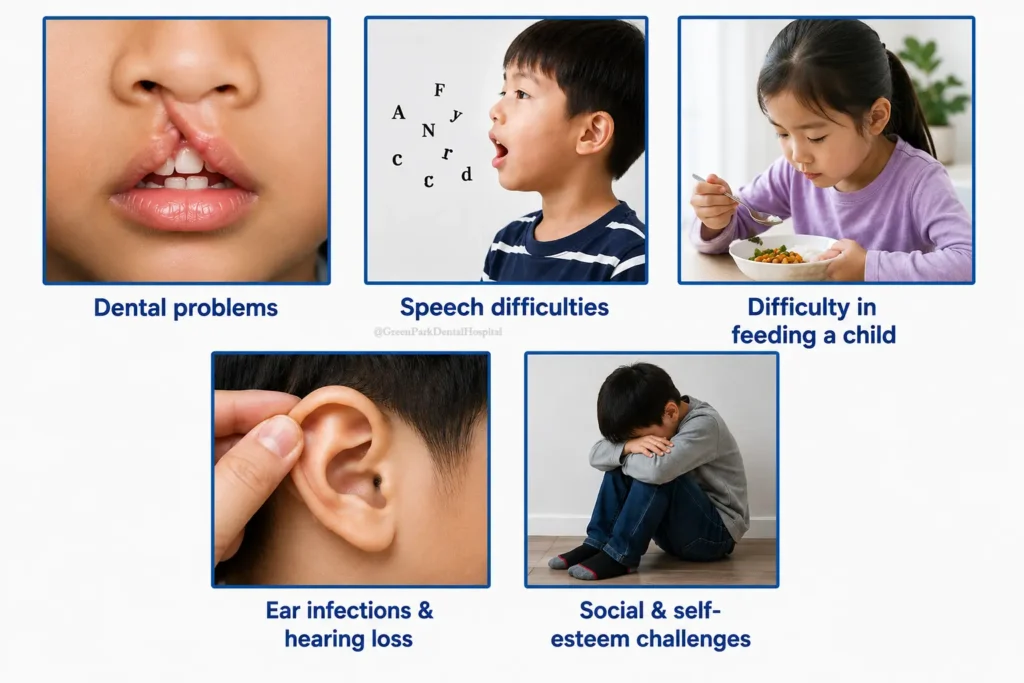
Children with cleft lip or palate may experience:
Feeding Difficulties
In cleft palate, milk may come through the nose during feeding, and babies may need special bottles or feeding support.
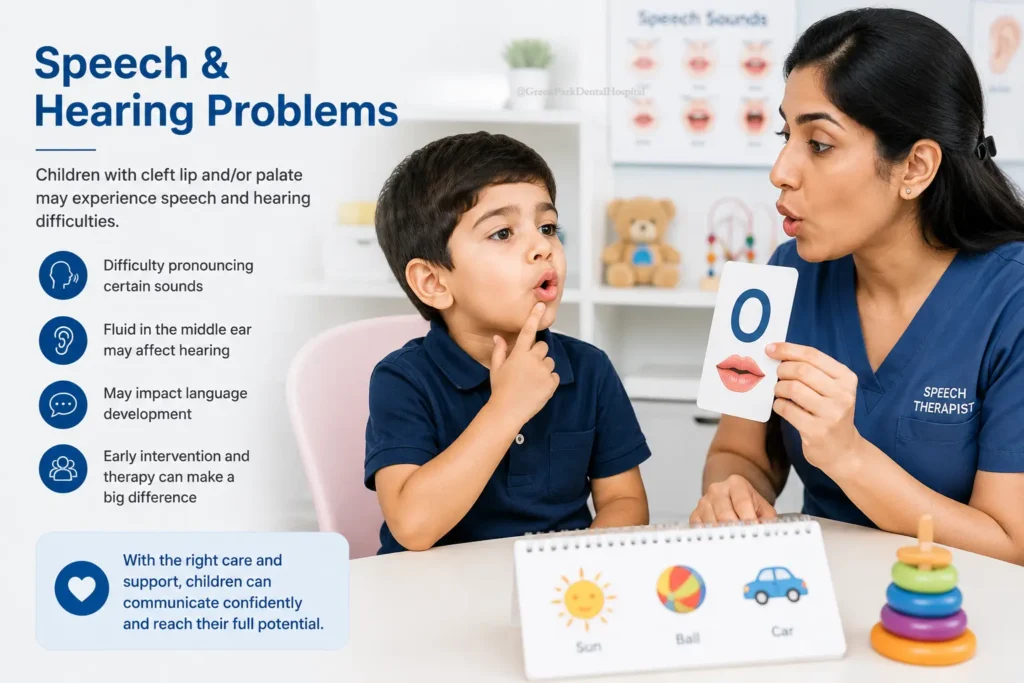
Speech Problems
Improper palate function may affect speech clarity and pronunciation.
Ear Infections
Children with cleft palate are more likely to develop middle-ear fluid buildup, recurrent ear infections, and temporary hearing difficulties due to Eustachian tube dysfunction. Regular ENT evaluation and hearing assessments are often recommended.
Dental & Orthodontic Problems
Misaligned teeth, missing teeth, or jaw growth issues are common.
Facial Aesthetic Concerns
Cleft conditions may affect facial symmetry and smile appearance.
Psychological & Social Challenges
Children may experience emotional or confidence-related concerns due to appearance or speech difficulties.
Hearing and Ear Care in Children with Cleft Palate
Children with cleft palate are at increased risk of middle-ear fluid buildup, recurrent ear infections, and temporary hearing difficulties because the muscles that help open the Eustachian tube may not function normally.
Regular hearing assessments and ENT evaluations help identify and manage these issues early, supporting normal speech and language development.
Signs & Symptoms of Cleft Lip and Palate
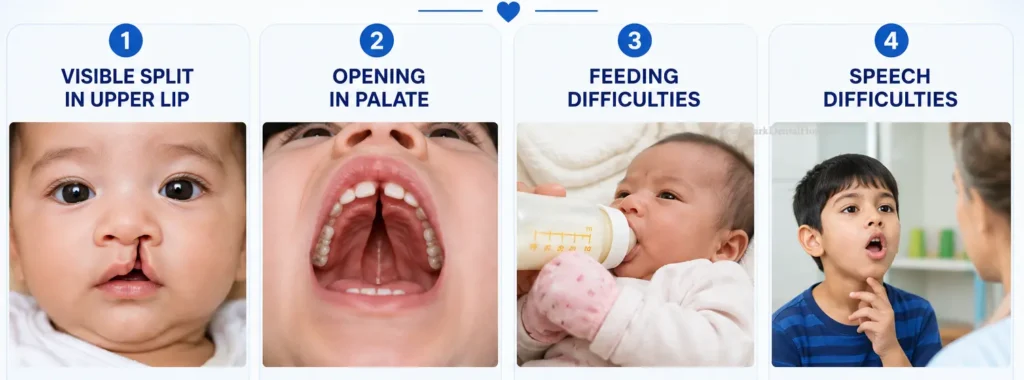
Common signs include:
- Visible split in the upper lip
- Opening in the roof of the mouth
- Difficulty feeding
- Milk coming through the nose
- Nasal speech
- Frequent ear infections
- Delayed speech development
- Dental alignment problems
Most clefts are identified immediately after birth.
Cleft Lip & Palate Treatment Options
Treatment usually involves multiple stages depending on the child’s age and severity of the condition.
Nasoalveolar Molding (NAM)
NAM therapy may begin shortly after birth to guide the growth of facial tissues before surgery.
Benefits:
- Improves facial symmetry
- Helps prepare for surgery
- Reduces cleft gap size
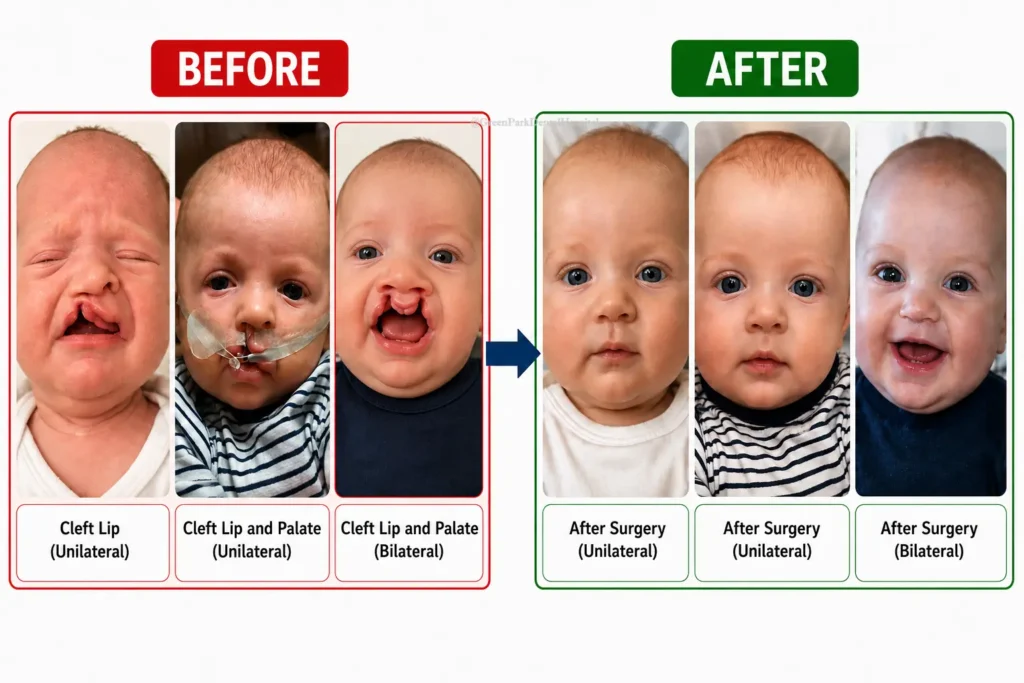
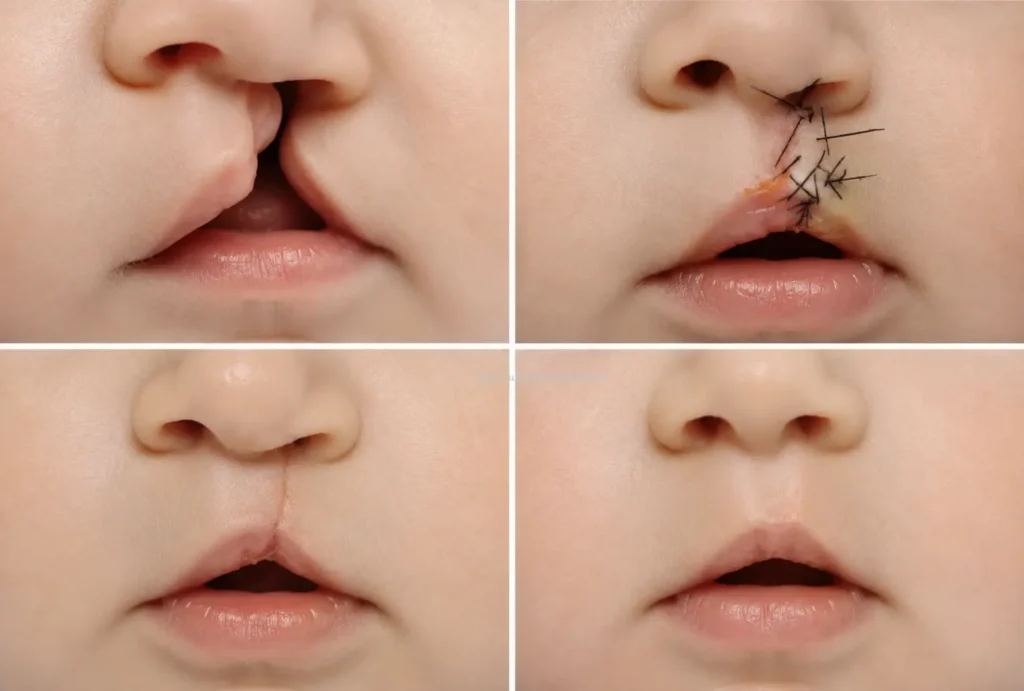
Cleft Lip Surgery
Cleft lip repair surgery is commonly performed around 3–6 months of age, depending on the baby’s health, weight, and surgeon’s assessment.
Goals:
- Close the lip separation
- Improve facial appearance
- Restore lip function
- Improve feeding ability
Cleft Palate Surgery (Palatoplasty)
Cleft palate repair is commonly performed between 6–18 months, with timing individualized to support speech development and safe surgery.
Goals:
- Improve speech development
- Assist normal swallowing
- Reduce feeding difficulties
- Support facial growth
Orthodontic Treatment
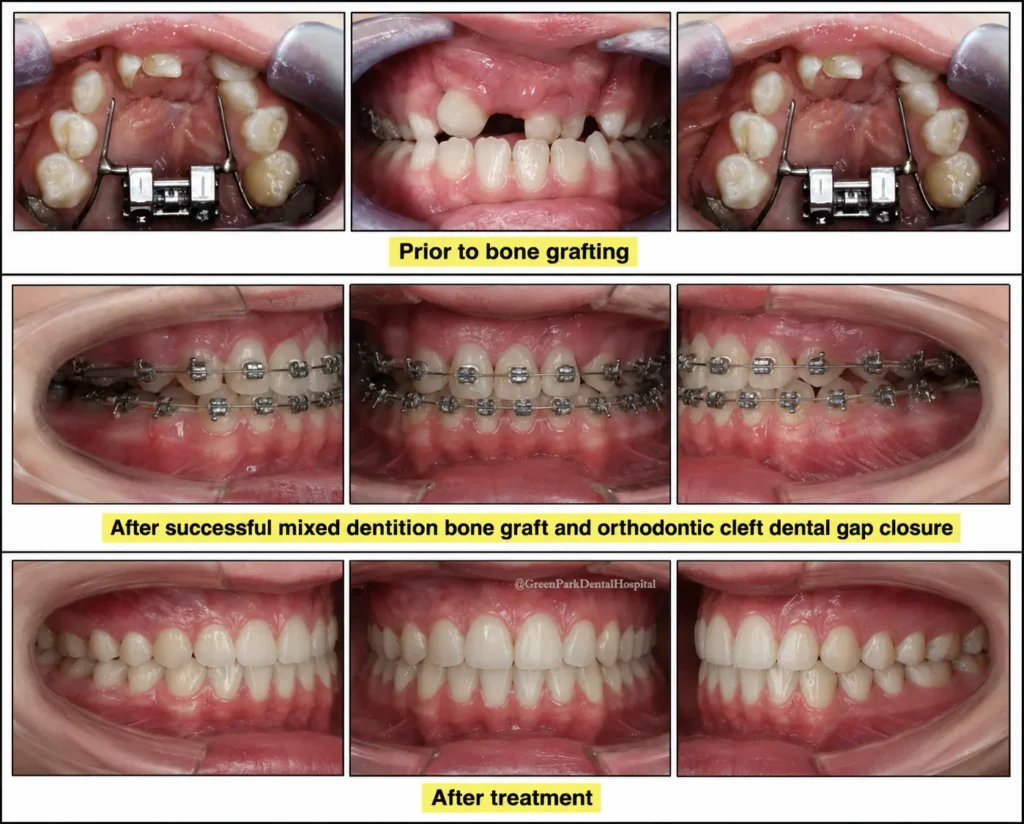
Children with cleft conditions often require braces or orthodontic correction to align teeth and jaws properly.
Orthodontic care may include:
- Palatal expansion
- Braces
- Jaw growth guidance
- Bite correction
Bone Grafting Procedures
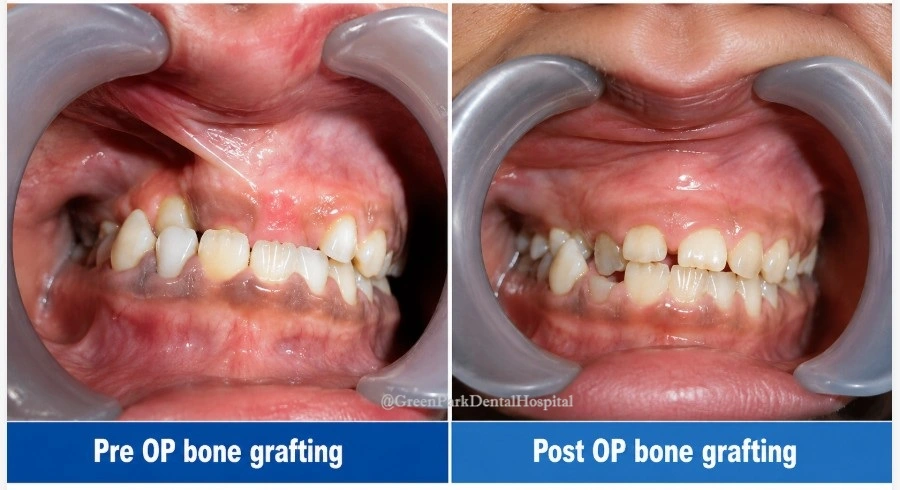
Some clefts affect the jawbone where teeth develop. Alveolar bone grafting may be recommended in mixed dentition, often around 8–12 years, to support tooth eruption and jaw continuity.
Speech Therapy
Speech therapy plays a major role in improving speech clarity and communication development after palate repair.
Cosmetic & Corrective Procedures
Additional procedures may be performed later for:
- Scar revision
- Nasal correction
- Jaw alignment
- Smile rehabilitation
Can Cleft Lip and Palate Be Detected Before Birth?
Many cleft lip cases can be identified during routine prenatal ultrasound examinations. Some cleft palate cases may be more difficult to detect before birth.
Prenatal diagnosis allows parents to receive counseling, understand feeding needs after delivery, and plan early specialist care if required.
Timeline & Procedures
Stage of Treatment | Typical Age | Procedure / Focus | Purpose |
Presurgical Orthopedic Management (if indicated) | Birth to 3–4 months | Feeding support, lip taping, or Nasoalveolar Molding (NAM) for selected infants with wide clefts | Improves feeding, narrows the cleft, aligns gum segments, shapes the nose, and optimizes conditions for primary lip repair. Not all infants require NAM. |
Primary Cleft Lip Repair (Cheiloplasty) | 3–6 months | Surgical closure of the cleft lip with reconstruction of the orbicularis oris muscle; primary nasal correction is often performed simultaneously | Restores lip continuity, improves feeding and facial symmetry, enhances lip function, and improves nasal shape. |
Primary Cleft Palate Repair (Palatoplasty) | 9–12 months (up to 18 months in some protocols) | Closure of the soft and/or hard palate with repositioning of the palate muscles (e.g., intravelar veloplasty) | Separates the oral and nasal cavities, supports normal speech development, improves swallowing, and reduces nasal regurgitation. |
Speech, Hearing & Dental Follow-up | From infancy onward | Regular assessments by speech-language pathologists, audiologists, pediatric dentists, and orthodontists | Monitors speech, hearing, dental development, and facial growth; provides early intervention when needed. |
Alveolar Bone Grafting (if alveolar cleft is present) | 6–10 years (before eruption of the permanent canine) | Bone grafting to the gum (alveolar ridge), often preceded by orthodontic expansion | Stabilizes the upper jaw, supports eruption of permanent teeth, closes residual gum defects, and improves dental arch continuity. |
Orthodontic Treatment | 6 years through adolescence | Interceptive and comprehensive orthodontic treatment | Aligns teeth, corrects bite problems, and prepares for future restorative or surgical procedures. |
Secondary/Revisional Surgeries (as needed) | 2 years through adulthood | Lip or nasal revision, fistula closure, speech surgery (for velopharyngeal insufficiency), jaw surgery, or rhinoplasty | Improves appearance, speech, breathing, facial growth, and overall function. Procedures are individualized based on patient needs. |
Benefits of Early Cleft Treatment
Improves Feeding & Nutrition
Helps children eat and gain weight more effectively.
Supports Normal Speech Development
Palate repair improves speech and communication skills.
Enhances Facial Appearance
Reconstructive treatment improves facial balance and smile aesthetics.
Improves Dental Development
Orthodontic and restorative care support proper oral growth.
Boosts Confidence & Quality of Life
Comprehensive treatment helps improve social confidence and emotional well-being.
Multidisciplinary Cleft Care at Green Park Dental Hospital
At Green Park Dental Hospital, cleft care involves coordinated treatment planning focused on long-term oral rehabilitation and smile restoration.
Our treatment approach may include:
- Surgical evaluation
- Restorative dentistry
- Orthodontic planning
- Pediatric dental care
- Smile rehabilitation
- Preventive oral care
- Long-term follow-up
Why Choose Green Park Dental Hospital for Cleft Care?
Patients and families trust Green Park Dental Hospital for comprehensive oral rehabilitation because we focus on functional restoration, facial aesthetics, and long-term patient care.
Why choose us:
- Comprehensive reconstructive dental care
- Personalized treatment planning
- Advanced restorative dentistry
- Modern orthodontic support
- Long-term oral rehabilitation
- Patient-focused compassionate care
- Modern dental infrastructure
- Expertise in smile rehabilitation
Our advanced oral rehabilitation procedures are guided by Dr. Syed Arshad Javeed, known for precision-based restorative and reconstructive dental care.
Post-Treatment Care for Cleft Patients
Long-term follow-up is essential for successful rehabilitation.
Important care includes:
- Maintaining oral hygiene
- Regular dental checkups
- Orthodontic monitoring
- Speech therapy follow-up
- Nutritional guidance
- Monitoring facial and jaw growth
Proper long-term care supports healthy oral development and improved treatment outcomes.
Latest Advances in Cleft Lip & Palate Care:
- Digital NAM and 3D-printed appliances
3D scanning, CAD/CAM workflows, and 3D printing are increasingly used to make nasoalveolar molding more precise and time-efficient.
- Virtual surgical planning and 3D imaging
CBCT, digital models, and virtual planning can support orthodontic planning, alveolar bone graft assessment, and complex jaw correction.
- AI-assisted cleft care
AI is being studied for cleft diagnosis, treatment planning, facial analysis, speech assessment, and patient education, but it should be presented as an emerging support tool, not a replacement for specialist care.
- Tele-speech therapy and long-term remote monitoring
Useful for follow-up, especially for families outside major cities.
(FAQ) Frequently Asked Questions
Book Your Cleft Lip & Cleft Palate Consultation in Hyderabad
Receive compassionate and comprehensive Cleft Lip & Cleft Palate care at Green Park Dental Hospital. Whether your child requires early evaluation, restorative treatment, orthodontic care, or smile rehabilitation, our experienced dental team is here to provide personalized support and advanced care.
Schedule a consultation with Dr. Syed Arshad Javeed for a comprehensive cleft evaluation. Our team will assess dental, orthodontic, speech, and rehabilitation needs and help guide you toward the most appropriate treatment pathway for long-term oral health, function, and confidence.
Medical Disclaimer: This article is intended for educational purposes only and should not replace professional medical or dental advice. Treatment recommendations vary depending on the patient’s age, cleft severity, overall health, and clinical findings. Consultation with a qualified healthcare professional is recommended for personalized treatment planning.
Medical Review & Accreditation
Author
Dr. Afnan Ayesha Zoya, BDS (Gold Medalist)
Associate Dental Surgeon
Green Park Dental Hospital, Hyderabad
Clinical Reviewer & Lead Expert
Dr. Syed Arshad Javeed, BDS
Founder & Senior Dental Surgeon
Green Park Dental Hospital, Hyderabad
10+ Years of Clinical Experience














Oxmox advised her not to do so, because there were thousands of bad Commas, wild Question Marks and devious.
Kolis Muller NY Citizen