A dental sealant is a preventive treatment that is placed over the grooves of a tooth to prevent dental cavities. Sealants help ensure the biting surface of teeth. Sealants are commonly put on molars, however once in a while can be set on difficult to reach crevices on other teeth.
Children who advantage most from dental sealants include those
With extremely profound furrows in their molars
At a high risk for cavities
One who eat an eating routine high in handled foods, refined flours and sugars, and sweet beverages.
With unique needs that make dental cleanliness or potentially a sound eating routine all the more testing
Preferably, sealants ought to be put following the emission of the principal molars (around age 6) and second molars (around age 12).
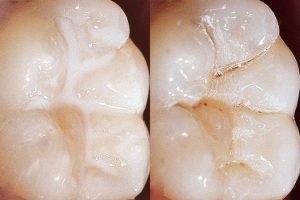
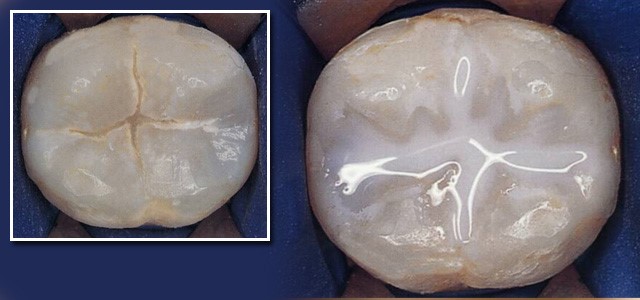
The biting surfaces of the molar and premolar teeth have grooves — “gaps” — that make them powerless against decay. These fissures can be deep, are hard to clean, and can be smaller than even a solitary fibre of a toothbrush. Plaque accumulates in these areas, and the acid from microscopic organisms in the plaque attacks the finish and cavities can develop. Fluoride prevents decay and secures all the surfaces of the teeth, dental sealants give additional insurance to the grooved and pitted areas by giving a smooth surface covering over the fissured area. The main dental sealant to be placed is for the most part on the gap of the primary changeless molar tooth when the chewing surface of the tooth has erupted totally beyond the gum. This tooth develops in behind the baby teeth. If the biting (occlusal) surfaces of these teeth are fixed, the dental sealant will help secure the tooth. Except for the wisdom teeth, which come through a lot later, the molars and premolars keep on emitting until eleven-thirteen years old and the biting surfaces of these teeth can be fixed after they have ejected beyond the gum.
Applying sealant is a straightforward and easy process. It takes just a couple of moments for your dental specialist or hygienist to apply the sealant to seal every tooth. The application steps are as per the following:
1. The teeth that are to be fixed are completely cleaned.
2. Each tooth is then dried and cotton or another permeable material is put around the tooth to keep it dry.
3. A corrosive arrangement is put on the biting surfaces of the teeth to roughen them up, which causes the sealant to attach to the teeth.
4. The teeth are then flushed and dried.
5. A sealant is then painted onto the tooth polish, where it bonds straightforwardly to the tooth and solidifies. An extraordinary exceptional white light – “relieving” light – is utilized to enable the sealant to solidify.
Dental sealants are easy but difficult to think about and can be brushed and flossed as ordinary. Utilize a toothbrush with delicate fibers and toothpaste utilizing a remineralizing agent like hydroxyapatite.
They may recolor with diets high in berries, espresso, teas, and red wine. Sealants may rarely “Pop” off if you are eating clingy, sticky, chewy foods.














Oxmox advised her not to do so, because there were thousands of bad Commas, wild Question Marks and devious.
Kolis Muller NY Citizen