ORTHOGNATHIC SURGERY
Orthognathic surgery is a procedure, or set of techniques, that make adjustments to the jaw.
WHEN DOES ONE NEED ORTHOGNATHIC SURGERY?
- Difficulty biting or biting food
- Difficulty gulping
- Chronic jaw or jaw joint (TMJ) torment and cerebral pains
- Excessive wear of the teeth
- Open bite (space between the upper and lower teeth when the mouth is shut)
- Unbalanced facial appearance
- Facial injury
- Birth defects
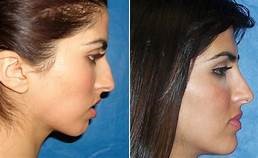
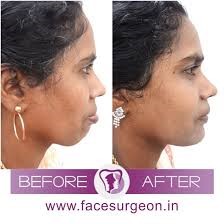
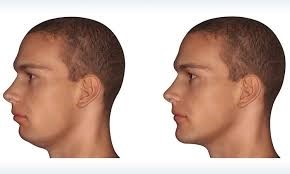
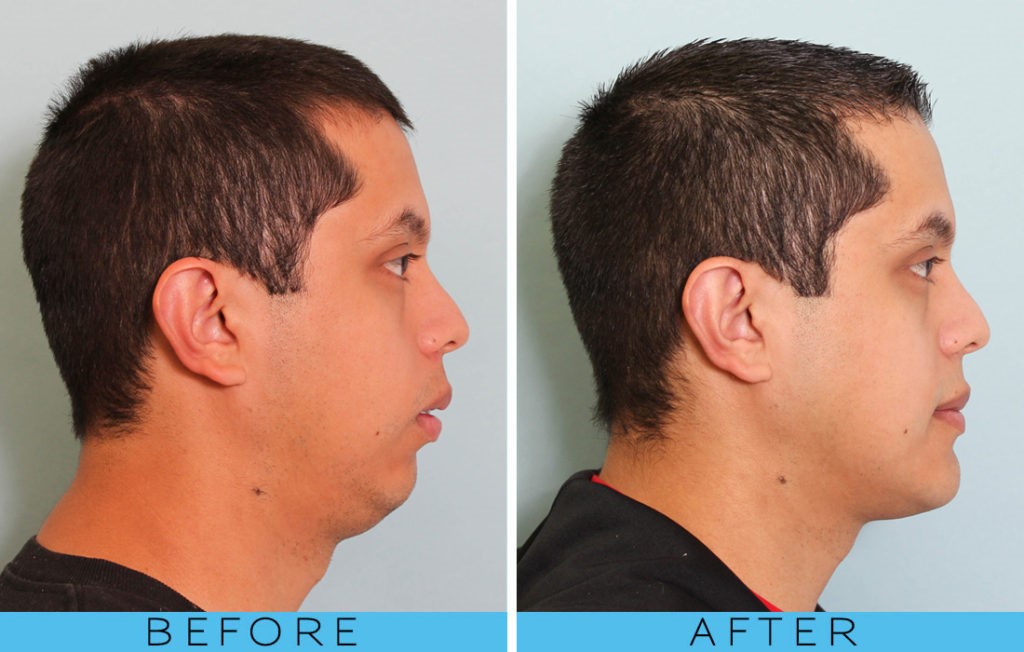
- Receding lower jaw and jawline
- Protruding jaw
- Chronic mouth relaxing
- Sleep apnea (breathing issues when resting, including wheezing)
WHAT IS THE PROCEDURE OF ORTHOGNATHIC SURGERY?
Stage 1 – Consultation
With the specialist as well as with a skilled orthodontist who knows about careful orthodontic cases.
Stage 2 – The preoperative appointment
All orthognathic surgery techniques start with an arrangement to assemble data. Your specialist will get x-rays, OPG and regularly CT checks, take photos, and take impressions of or filter your teeth to create dental models, which will all be utilized to design and execute the medical procedure.
Stage 3 – Anaesthesia
General sedation (you will be taken care of totally) is utilized with a breathing cylinder that is regularly positioned through the nose.
Stage 4 – The surgery
All entry points are made in the mouth and some cases, extra minuscule cuts are made on the cheeks. The bones will be activated into the arranged positions and fixed with plates and screws. Your specialist may keep support (a mouth monitor that is fixed to your teeth) set up after surgery.
Stage 5 – See the results
The consequences of jaw surgery are generally clear promptly yet will uncover themselves completely as growing and wounding die down over a time of a month or two.
POST TREATMENT CARE FOR ORTHOGNATHIC SURGERY
- No exhausting movement or truly difficult work for 3 weeks after a medical procedure.
- Limit exercise to strolling for the initial 3 weeks. Strolling is supported.
- You may come back to light housework or everyday exercises during the primary week. Gradually continuing your exercises will help speed your recovery and should cause you to feel better.
- No physical games or sports including a ball for 12 weeks. Recall your jaws are not completely mended for 8-12 weeks. Be cautious.
FREQUENTLY ASKED QUESTIONS
Is jaw surgery important?
Is corrective jaw surgery worth it?
How long after jaw surgery can you chew?
How long does your face stay swollen after jaw surgery?
Does jaw surgery hurt?
With access to
24 Hour
Emergency
Assistance
A small river named Duden flows by their place and supplies it with the necessary regavelialia. It is a paradise.
Service Recipient Says
Oxmox advised her not to do so, because there were thousands of bad Commas, wild Question Marks and devious.
Kolis Muller NY Citizen
Oxmox advised her not to do so, because there were thousands of bad Commas, wild Question Marks and devious.
Kolis Muller NY Citizen
Oxmox advised her not to do so, because there were thousands of bad Commas, wild Question Marks and devious.
Kolis Muller NY Citizen